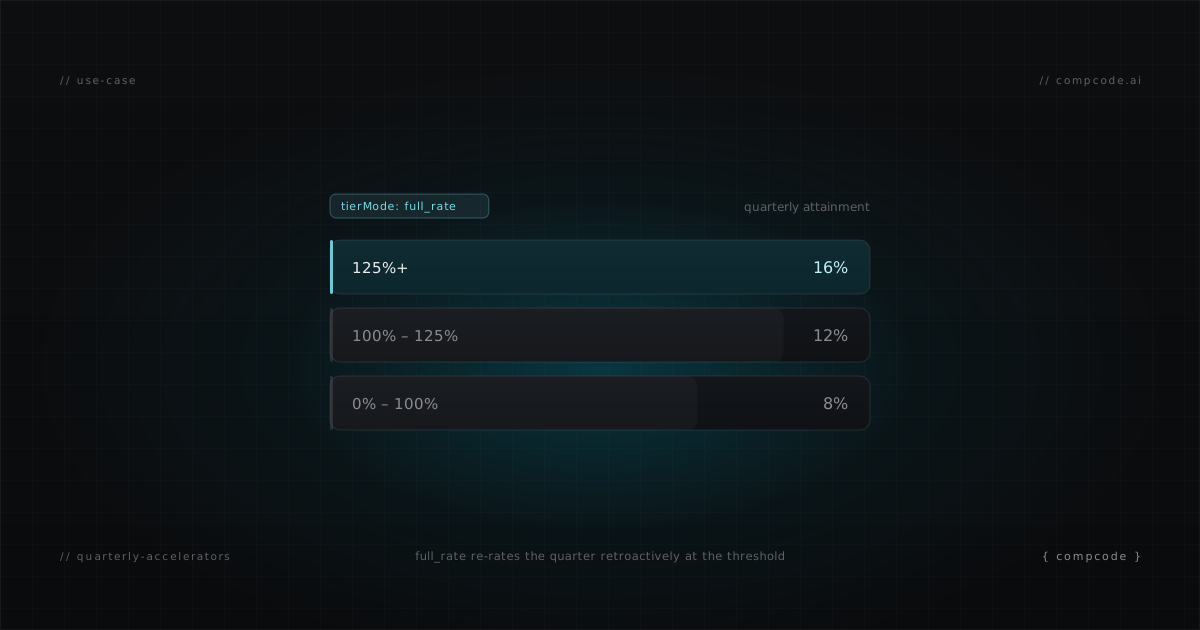
Four failure modes account for most of the pain, and all four are consequences of the retroactive structure rather than bugs.
A mid-period crossing produces a large positive adjustment. If commission is paid monthly but attainment is measured quarterly, a rep who crosses in the third month triggers a re-rate of the two months already paid. That correction lands on one statement. Finance should expect it rather than discover it.
A reversal re-rates the quarter downward. If a closed deal is later voided and attainment falls back under the threshold, the entire period drops to the lower rate. Under marginal tiers this claws back a slice; under retroactive tiers it claws back the difference on everything. Plans that are silent about reversals tend to resolve this argument in the rep's favour, at the company's expense.
Uncapped retroactive tiers can exceed deal economics. Because the rate applies to the full period, a high top tier can pay more than the gross margin on the revenue that triggered it. A cap expressed as a multiple of the rep's variable target bounds the exposure without changing the tier structure.
The rate is not the number the rep will quote. Reps model retroactive plans by effective rate, not tier rate. In the example above the effective rate is 16 percent, but the marginal value of the deal that crossed the line was far higher. Expect the plan to be discussed in those terms, and make sure the statement shows which tier was applied and why.