Use Case
Enterprise commission plans: rate on revenue or target
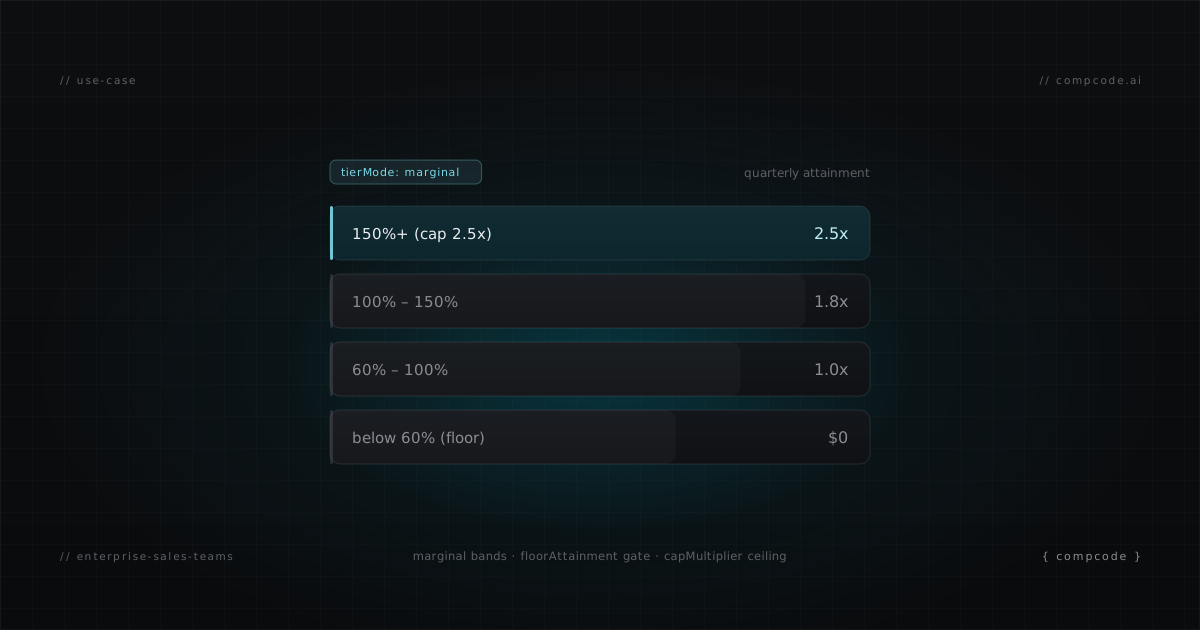
Paying a rate on revenue and paying a multiple of variable target look similar until quotas differ. One rewards the rep with the easier number.
Each page takes one structural choice, costs it both ways on real numbers, and says what breaks in production. Written for whoever has to design the plan, not whoever has to buy the software. The config that implements each one is at the bottom of the page.
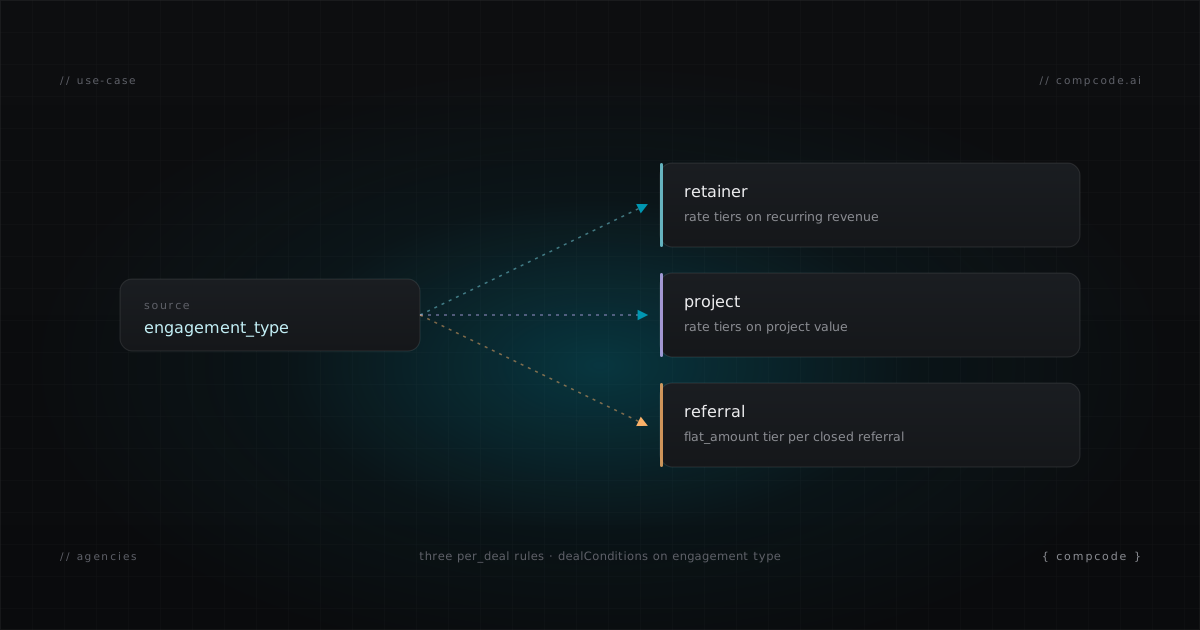
Retainers recur, projects are one-off, referrals cost nothing to deliver. Paying one percentage across all three overpays somewhere and underpays elsewhere.
Paying a rate on revenue and paying a multiple of variable target look similar until quotas differ. One rewards the rep with the easier number.
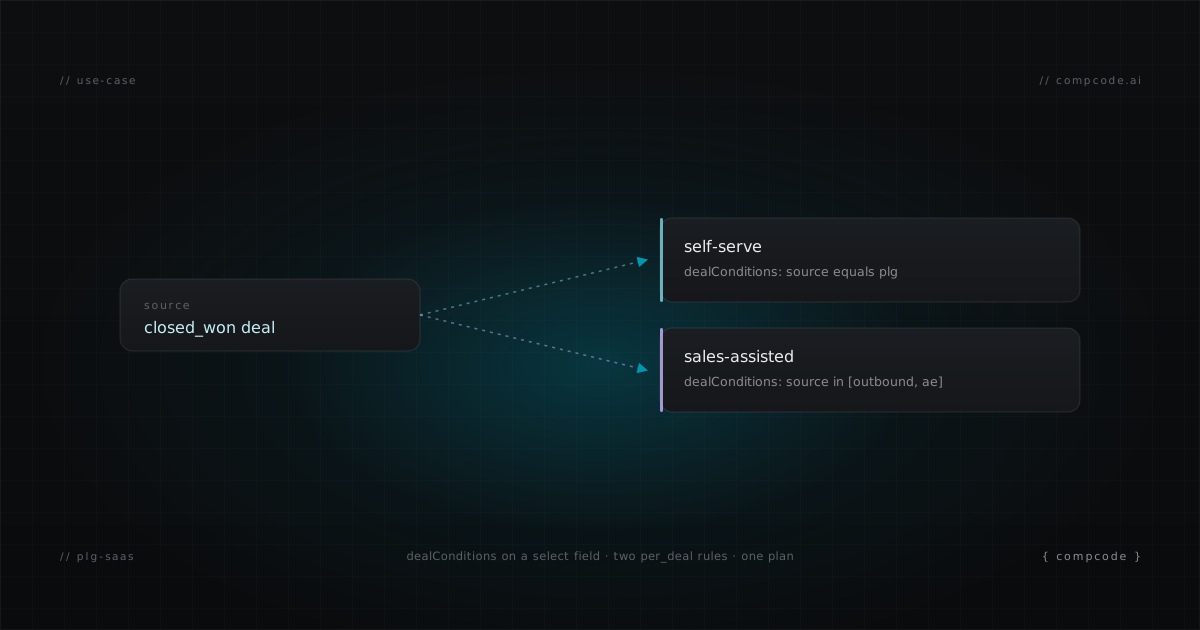
When self-serve and sales-assisted revenue share a pipeline, one flat rate overpays for signups and underpays for real selling. Splitting them is the fix.
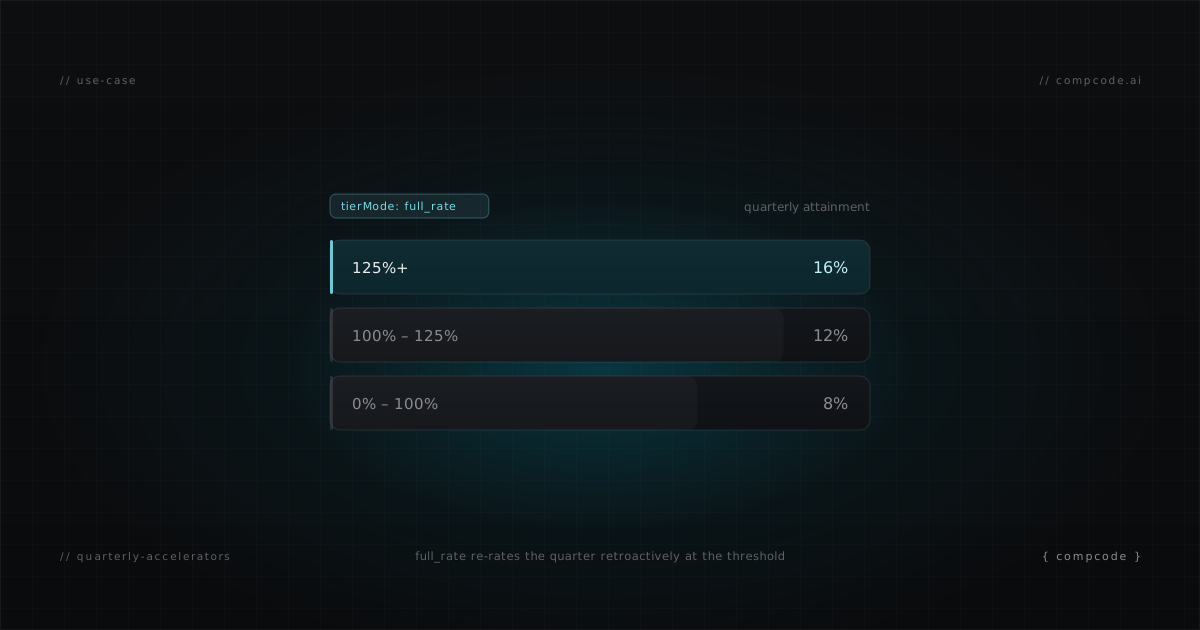
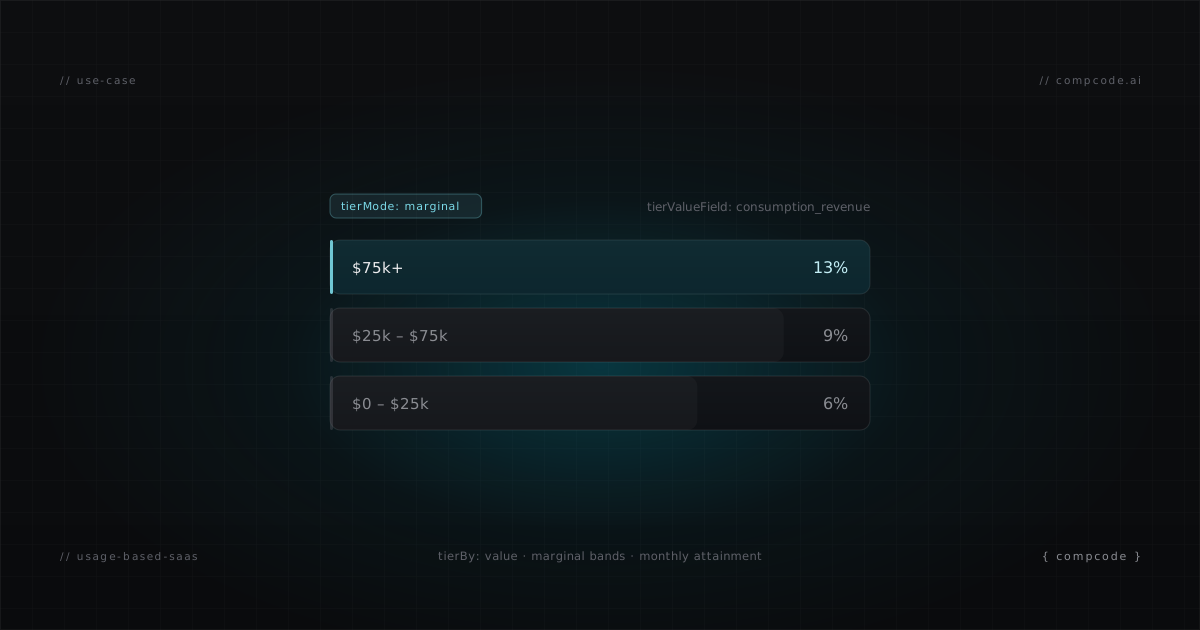
Crossing quota can re-rate the whole quarter or only pay the revenue above it. The same $625,000 quarter costs $100,000 or $55,000 depending on which you pick.
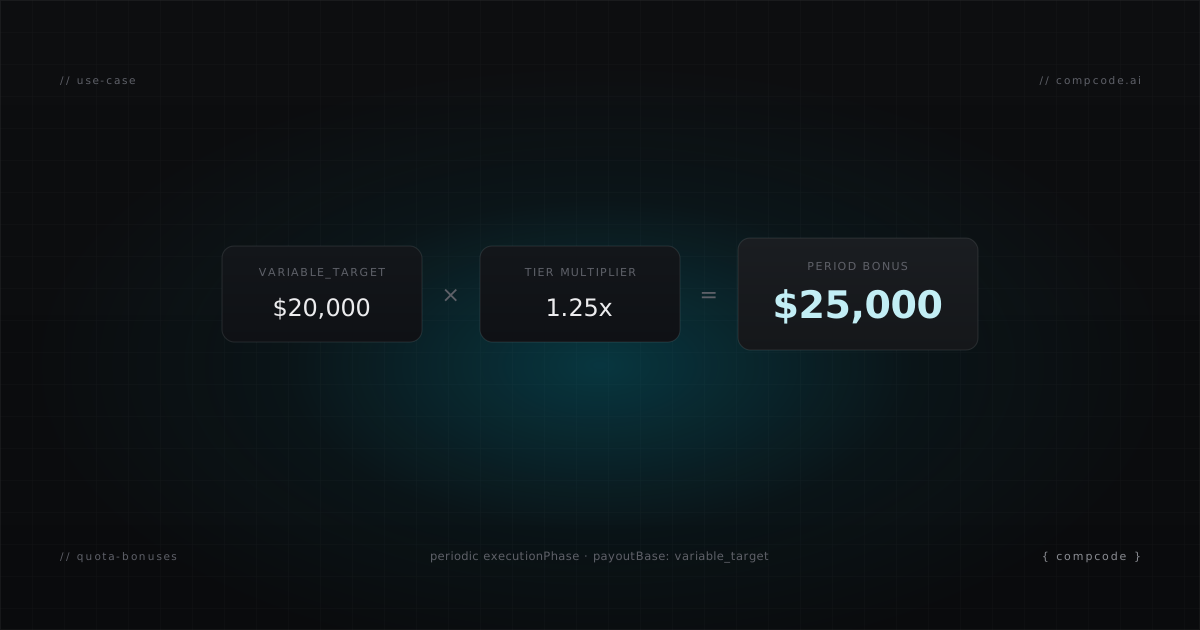
A period-end bonus and a per-deal rate can cost the same and behave completely differently. One pays for the quarter, the other pays for the deal.
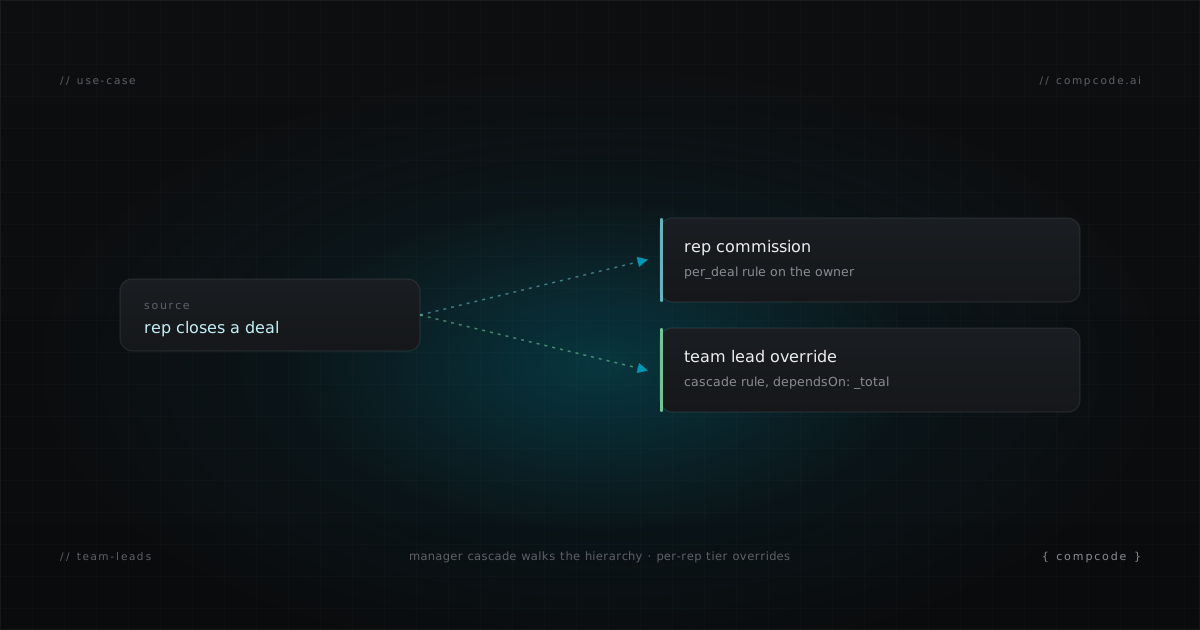
A one percent override on team revenue and a ten percent share of team commission look equivalent until the team's mix changes. Then they diverge.
Consumption revenue changes after the deal closes. Paying at close, at first invoice, or continuously produces three different numbers for the same customer.